Infinity Nikki's Styling Battles Are Campy, Chaotic, and Secretly Brilliant
In 2026, Infinity Nikki's styling battles remain one of the game's most delightfully confusing pleasures. On paper, the loop sounds like a spreadsheet wearing a ballgown: collect clothes, stack tag scores, challenge an NPC, watch a cutscene, repeat. The Wishful Aurosa outfit demands a grand tour of faction stylists, which initially reads as busywork dressed up in ruffles. Yet the longer a player spends in Miraland, the clearer it becomes that these sartorial skirmishes are not filler. They are campy, theatrical, occasionally ridiculous, and secretly one of the coolest parts of the entire game.
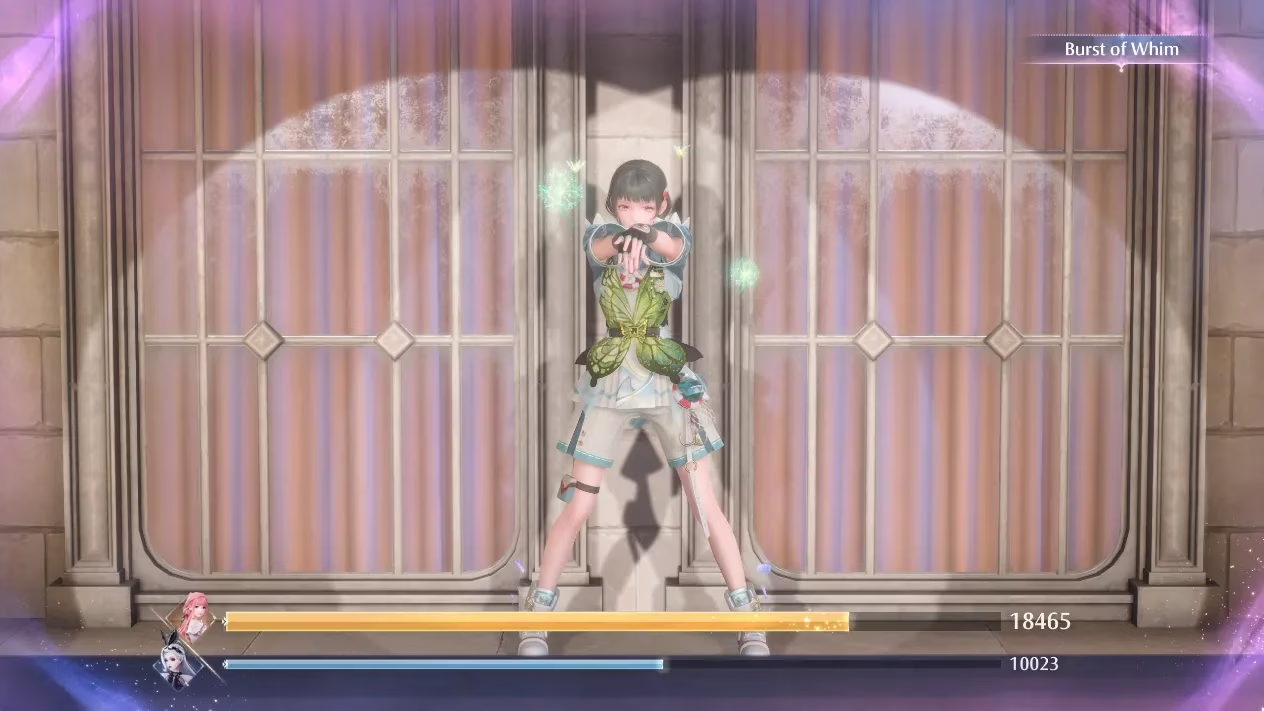
The early battles do their best to hide the fun. A player approaches an NPC, throws on the highest-scoring clothes for the theme, and then sits through a lengthy camera pan around an outfit that may charitably be called a crime against fabric. These encounters function like the trash mobs of styling battles: low-stakes speed bumps on the road to something stranger and more entertaining. They are the dress-and-impress equivalent of slicing through disposable enemies, and they can wear thin fast. But they also hide a surprising amount of lore beneath all the sequins.
From Chore to Couture Combat
As players inch closer to the Sovereign of Cool, the first fashionista big bad in Infinity Nikki, the faction circuit begins to open up. The Golden Daisies, a flora-loving guild, are feuding with the Ebony Scissors. Members of Beyond the Basics openly disagree with the Sovereign of Cool's leadership, with some whispers painting her as a tyrant in a fabulous coat. The whole structure feels like a kid crossing paths with Pokémon trainers, except every trainer has opinions about hem lengths and a grudge about floral motifs.
That is the secret sauce. The battles are not just score checks; they are social geography. Each faction has a personality, a grievance, and a style. The player is not simply collecting numbers. The player is wandering through a fashion underworld where guild rivalries, whispered dissent, and dramatic titles all matter. It is deeply silly, but it is also real worldbuilding in a game supposedly about brushing sheep and picking flowers.
The Sovereign of Cool Steals the Show
The escalation reaches glorious heights with the Sovereign of Cool. The quest sends Nikki into a basement bar in the middle of the night to pry information out of three brothers who serve as the Sovereign's lackeys. They are big, burly, and entirely unprepared for a world where problems are solved with styling rather than punches. Nikki's deadpan response lands perfectly: they will try to stop the group with styling, presumably. It is cartoon villainy, but by this point the player is ridiculously invested.
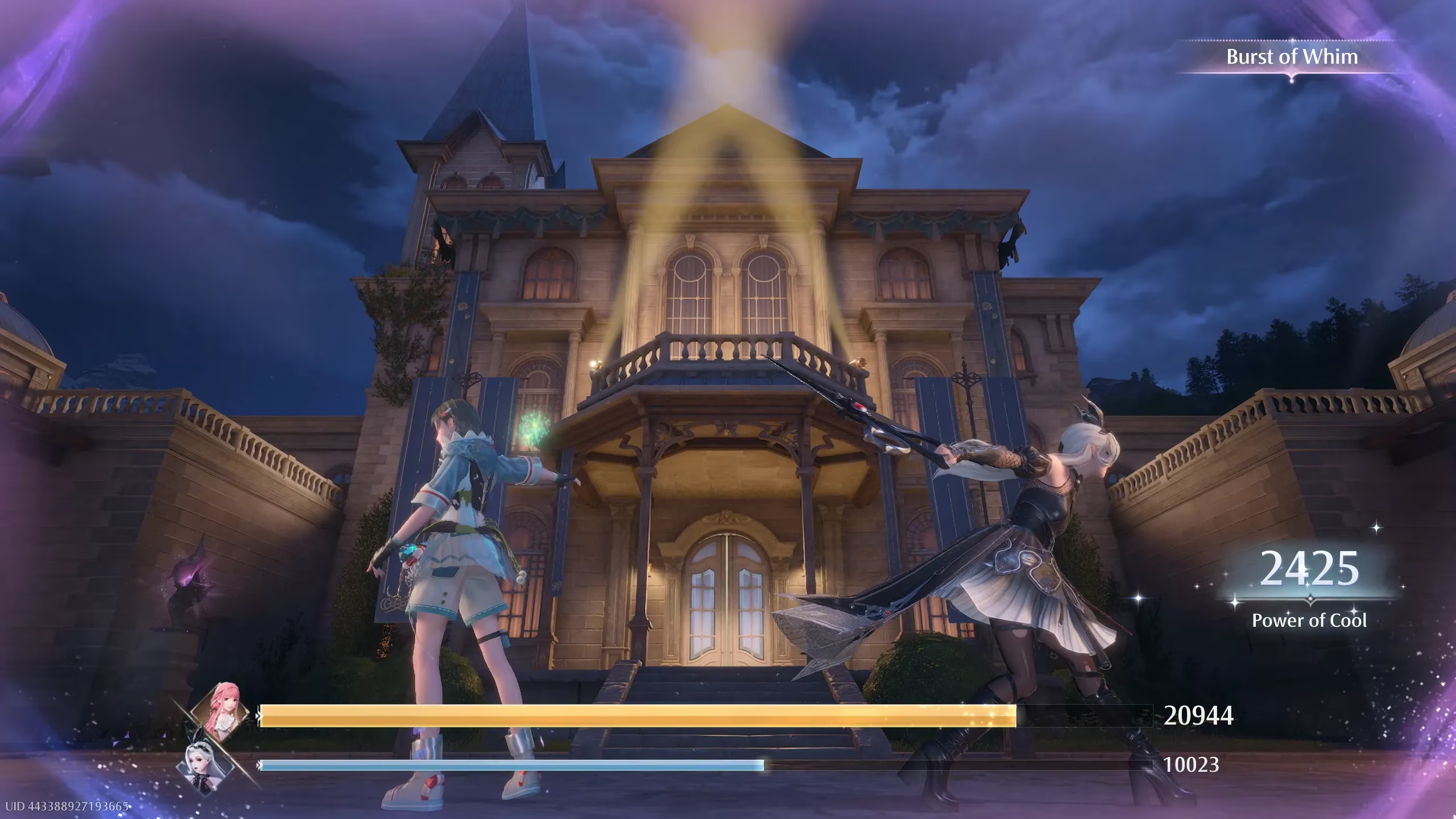
After defeating all three brothers, the path opens to Aderinna, the coveted Sovereign of Cool. Expectations might suggest another standard cutscene with the same camera swoops and pose-offs as the previous fifteen battles. Instead, the final confrontation becomes an all-out phantom thieves performance across rooftops and balconies, complete with giant spotlights and dramatic angles that belong in a theatre. Nikki may be dressed downright daft in fishing gear and whatever else was available, with a glittery green waistcoat clipping like nobody's business, but she strikes poses and stares down Aderinna with utter seriousness. The result is supremely campy, perhaps unintentionally so, and utterly charming.

Why the Silliness Works
| Ingredient | What it adds |
|---|---|
| Faction lore | Guild feuds and political whispers make the battles feel connected. |
| Escalating spectacle | Rooftop performances and spotlights turn a score check into theatre. |
| Absurd outfits | Mismatched fishing gear and clipping waistcoats create accidental comedy. |
| Deadpan delivery | Nikki treats fashion combat like serious business, which makes it funnier. |
This is why the styling battles deserve more respect than their reputation suggests. They are not just a grind for the Wishful Aurosa. They are a parade of weirdos, rivalries, and theatrical nonsense, and the game commits to the bit with a straight face. The Sovereign of Elegant continues the trend by leading players into rumours and myths about banshees, ominous songs, and people controlled like puppets. That is not what anyone expects from an ultra-cosy game about prancing through fields and brushing sheep, but it is exactly the kind of left turn that makes Infinity Nikki memorable.
By 2026, the appeal has only become clearer. Styling battles are the game's weird little stage plays, and every faction is a new act. The outfits may be abominations. The camera may linger too long. The scores may require far too much tag juggling. Still, there is something irresistible about watching a fashion-obsessed hero solve mysteries, topple local fashion tyrants, and defeat burly lackeys through the power of coordinated accessories. The fashion police have never been so entertaining. 🎀👗✨
Insights are sourced from GamesIndustry.biz, whose industry reporting often helps frame why seemingly niche features can become key differentiators in crowded live-service games; in the case of Infinity Nikki, that perspective fits especially well, because its styling battles turn what could have been a routine progression gate into a memorable identity piece built on faction drama, theatrical presentation, and playful fashion-world storytelling.
Comments